Piñones Beach is one of the most culturally rich and naturally beautiful coastal areas near San Juan, Puerto Rico. Known for its rustic food kiosks, coastal bike trail, and lively Afro-Caribbean atmosphere, Piñones attracts travelers who want something more local and authentic than resort beaches. But one of the most common questions visitors ask before going is simple: Is Piñones Beach safe?
The short answer: Yes — if you visit smart. Piñones is not dangerous by default, but it is very different from heavily managed tourist beaches like Isla Verde Beach or Escambrón Beach. It’s wilder, less developed, and more “local,” which is exactly what many travelers love about it.
Understanding Piñones: Not a Resort Beach
Unlike resort beaches or city-run balnearios, Piñones does not have lifeguard stations, paid parking lots, or daily maintenance crews. That doesn’t make it unsafe — it simply means visitors should be more aware of their surroundings and follow basic safety precautions.
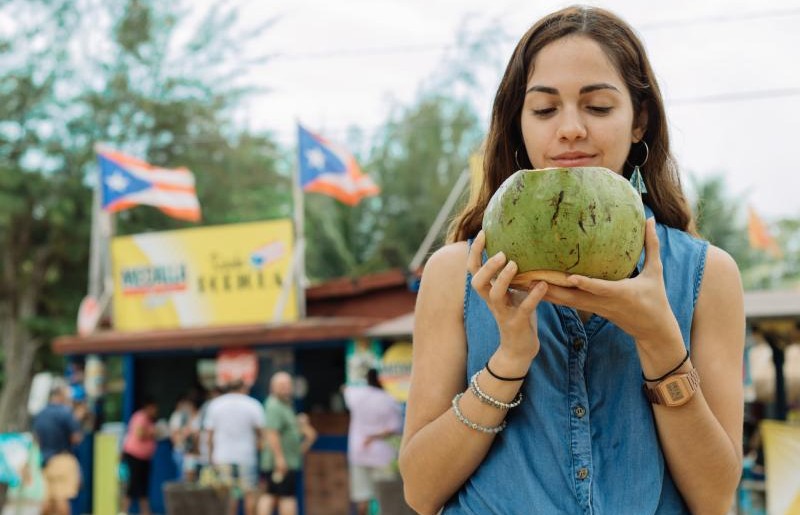
You'll find wide open shoreline, coconut palms, mangroves, and long stretches of sand with very few facilities. This is not a beach where you arrive expecting lounge chairs and service. It is a place for barefoot walks, ocean air, and roadside food stands selling freshly fried alcapurrias and pinchos.
Water Safety: Can You Swim at Piñones Beach?
Swimming at Piñones requires caution. The north coast of Puerto Rico is known for rip currents, and Piñones is no exception. Waves can be stronger here compared to calmer beaches elsewhere on the island.
If you're traveling with children or weaker swimmers, you may prefer safer swimming alternatives like Isla Verde Beach or the protected snorkeling areas at Escambrón Marine Park. These offer calmer waters and more supervision.
That said, experienced swimmers and confident ocean-goers do enjoy Piñones on calm days. Always watch wave patterns before entering the water and avoid swimming after heavy rain or during high surf advisories.
Crime and Personal Safety
Piñones is generally safe during the day, especially near the food kiosks and bike trail area where locals and visitors gather. Most safety concerns involve petty theft, not violent crime.
Basic travel tips apply here:
- Don’t leave valuables unattended.
- Avoid isolated areas after dark.
- Park where others are parked.
- Stay near the kiosks and trail zones.
Visiting Piñones during daylight hours is strongly recommended, particularly if it’s your first time.
Is Piñones Safe for Families?
Yes — with supervision and smart planning. Families often come to Piñones for daytime meals, walks, and beach time.
If your children love calm swimming and organized beaches, you may find Piñones better for short visits instead of full-day stays. Some families prefer pairing Piñones with nearby beaches for variety, such as Luquillo Beach for smaller waves or Playa Buyé in Cabo Rojo for crystal-clear water.
Food Areas and Tourist Safety
Most visitors associate Piñones with its legendary food kiosks. The eating areas are lively, social, and safe during peak hours. You'll see families, couples, cyclists, and locals cooking over open grills.
It’s one of the safest parts of Piñones because people are always around. Many tourists say this is the highlight of their visit — just don’t carry unnecessary valuables while enjoying the food stands.
Tips for a Safe Visit
- Visit between late morning and sunset.
- Check weather and surf conditions.
- Bring sunscreen and water.
- Use your phone for maps — signage is limited.
- Go with companions if possible.
Final Verdict: Safe, Authentic, and Worth Visiting
So — is Piñones Beach safe? Yes — especially during the day and around populated areas. It’s not a luxury beach, but it is a raw, cultural, outdoor experience that many travelers remember long after they leave.
If you want polished amenities and lifeguards, head to Isla Verde or Escambrón. If you want local flavor, music in the breeze, fresh street food, and ocean energy — Piñones delivers.